Urban Redevelopment: Navigating Corruption and Religious Power in the Context of Pioneers and Tributes
Category : | Sub Category : Posted on 2024-10-05 22:25:23
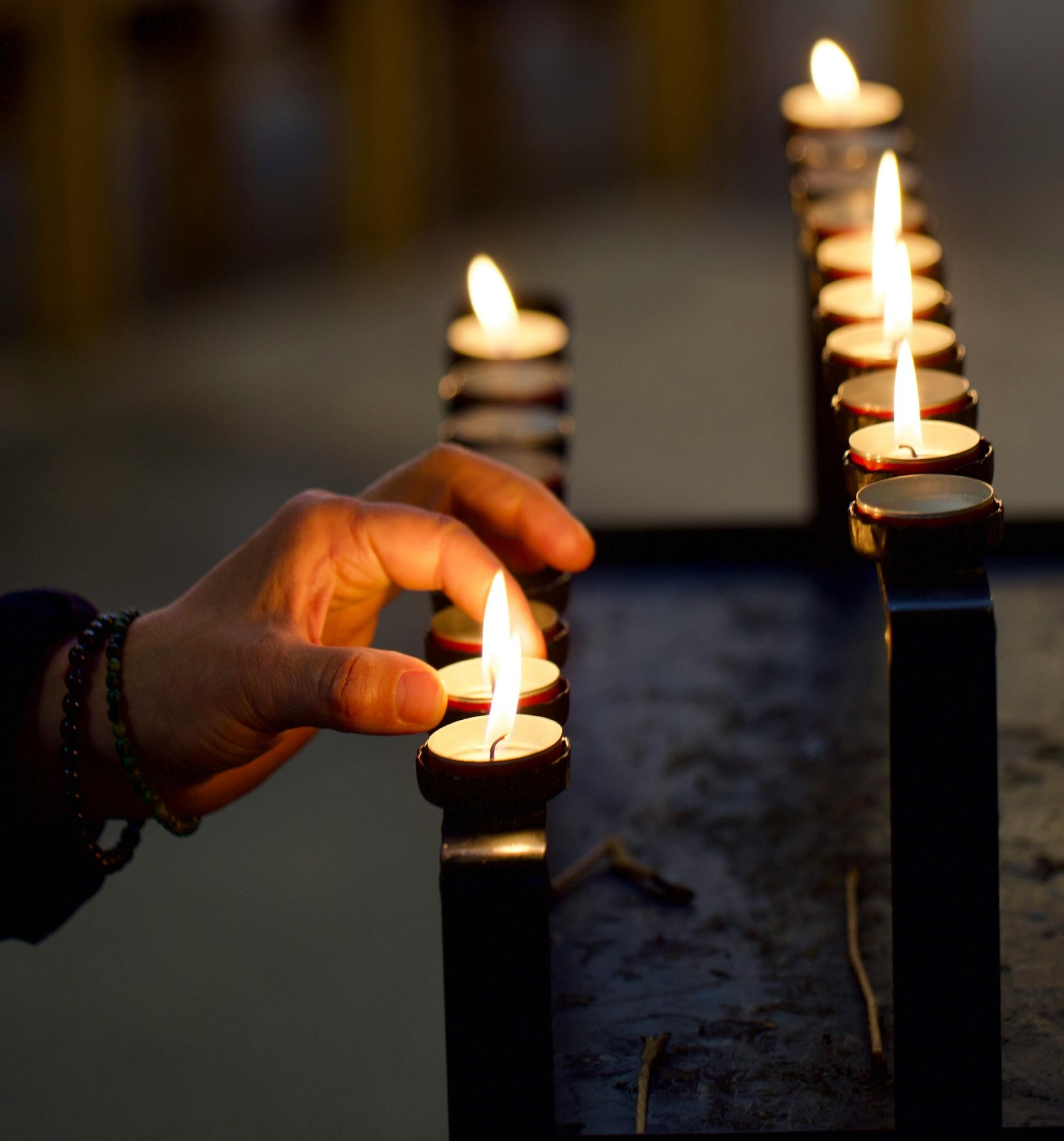
Urban redevelopment is a complex process that involves transforming the infrastructure and landscape of a city to meet modern needs and trends. However, this process is not without challenges, with issues such as corruption and religious power often playing a significant role. In addition, pioneers and tributes also come into play, adding layers of history and culture to the urban development landscape. Corruption is a pervasive issue in urban redevelopment projects around the world. From backroom deals to bribery and kickbacks, corruption can undermine the integrity of the process and lead to substandard outcomes for the community. Developers may collude with government officials to secure lucrative contracts, bypass zoning regulations, and ignore environmental concerns in pursuit of profit. In such cases, the interests of the public are often sidelined in favor of the corrupt few, resulting in buildings and infrastructure that do not align with the needs and values of the community. Religious power can also shape urban redevelopment projects, especially in regions where faith plays a central role in society. Religious institutions and leaders may wield significant influence over land use decisions, architectural styles, and cultural expressions in redevelopment efforts. This can lead to tension between secular and religious authorities, as well as challenges in preserving the heritage and identity of a community in the face of religious mandates. Pioneers in urban redevelopment are individuals or groups who take the lead in revitalizing blighted areas or repurposing underutilized spaces for the benefit of the community. These visionaries often face resistance from traditional power structures and bureaucratic red tape but persevere in their efforts to create vibrant, inclusive urban environments. By championing innovation, sustainability, and community engagement, pioneers can create lasting positive change in their cities. Tributes in urban redevelopment refer to the homage paid to historical figures, events, or cultural traditions through public art, monuments, or architectural design. These tributes serve as reminders of the past, honoring the contributions of those who have shaped the city's identity and character. By integrating tributes into urban redevelopment projects, planners and developers can foster a sense of continuity and connection with the past while embracing the possibilities of the future. In conclusion, urban redevelopment is a multifaceted process that requires careful navigation of issues such as corruption, religious power, pioneers, and tributes. By promoting transparency, community participation, and respect for diverse perspectives, cities can embark on redevelopment projects that not only enhance their physical environment but also strengthen their social fabric and cultural heritage. By balancing the interests of various stakeholders and valuing the contributions of past and present generations, urban redevelopment can become a catalyst for positive change and sustainable growth.
https://sunpowerpanels.com
https://desencadenar.org
https://religieuse.org
https://constructional.org
Leave a Comment:
SEARCH
Recent News
- Wool stoles are not just cozy accessories to keep us warm; they also carry significant symbolism in many cultures around the world. These versatile garments have been used for various purposes throughout history, symbolizing different meanings based on their designs, patterns, and colors.
- Winter is a season that often brings to mind chilly weather, snow-covered landscapes, and cozy layers of clothing. Among the many accessories that people rely on during the winter months are stoles, which can add both warmth and style to an outfit. But beyond their practical use, stoles can also hold symbolic significance, carrying meanings that vary across different cultures and contexts.
- Symbols play a vital role in raising awareness about wildlife conservation and the need to protect our planet's biodiversity. From the majestic lion to the graceful sea turtle, animals have long served as symbols of the beauty and importance of the natural world. By recognizing and understanding these symbols, we can better appreciate the value of wildlife conservation efforts and the urgency of protecting endangered species.
- Symbols Trends: Exploring the Power of Visual Communication
- Symbols in Top Children's Books
- Symbols in Theater: Enhancing the Performance
- Australia's vibrant city of Sydney is not only known for its iconic landmarks and beautiful beaches but also for its diverse shopping destinations. From upscale boutiques to bustling markets, Sydney offers a wide range of shopping experiences for locals and tourists alike.
- Sudanese music is a vibrant and expressive art form that is deeply rooted in the country's rich cultural heritage. One fascinating aspect of Sudanese music is the use of symbols that convey deeper meanings and help to enhance the overall musical experience. These symbols play a significant role in both traditional and modern Sudanese music, adding layers of complexity and beauty to the compositions.
READ MORE
11 months ago Category :

Wool stoles are not just cozy accessories to keep us warm; they also carry significant symbolism in many cultures around the world. These versatile garments have been used for various purposes throughout history, symbolizing different meanings based on their designs, patterns, and colors.
Read More →11 months ago Category :

Winter is a season that often brings to mind chilly weather, snow-covered landscapes, and cozy layers of clothing. Among the many accessories that people rely on during the winter months are stoles, which can add both warmth and style to an outfit. But beyond their practical use, stoles can also hold symbolic significance, carrying meanings that vary across different cultures and contexts.
Read More →11 months ago Category :

Symbols play a vital role in raising awareness about wildlife conservation and the need to protect our planet's biodiversity. From the majestic lion to the graceful sea turtle, animals have long served as symbols of the beauty and importance of the natural world. By recognizing and understanding these symbols, we can better appreciate the value of wildlife conservation efforts and the urgency of protecting endangered species.
Read More →11 months ago Category :
