The Bangladesh Urdu-speaking community has a rich history and has contributed significantly to the country's social, cultural, and economic landscape. Despite facing various challenges and the legacy of being displaced from their homeland, this community has shown resilience and determination in building a thriving community in Bangladesh.
Category : | Sub Category : Posted on 2024-10-05 22:25:23
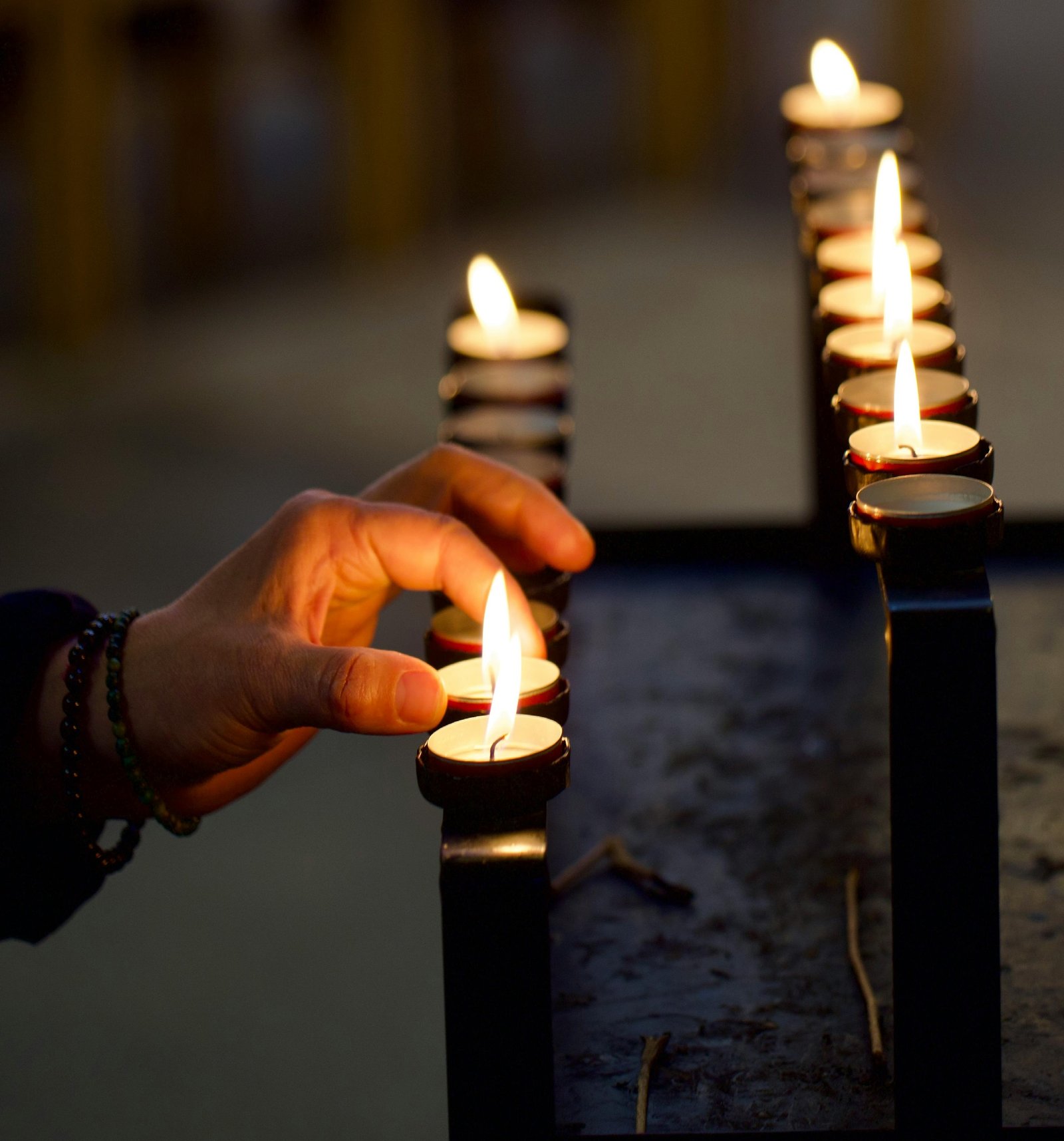
The Urdu-speaking community in Bangladesh has its roots in the partition of India in 1947 when millions of people migrated to the newly created countries of India and Pakistan. Those who chose to move to Pakistan became known as "muhajirs," which means migrants. Over time, many muhajirs migrated to Bangladesh and settled in various parts of the country, especially in Dhaka, Chittagong, and Sylhet. One of the pioneers of the Urdu-speaking community in Bangladesh is Khan Ataur Rahman. He was a renowned educationist and writer who played a crucial role in promoting Urdu language and literature in the country. Khan Ataur Rahman established schools and colleges that provided quality education to Urdu-speaking children and helped preserve their cultural heritage. Another notable figure from the Urdu-speaking community is Begum Jahanara Arif. She was a prominent social worker and activist who dedicated her life to advocating for the rights of marginalized communities, including Urdu-speaking people in Bangladesh. Begum Jahanara Arif's contributions to social welfare and women's empowerment have left a lasting impact on Bangladeshi society. In addition to these pioneers, there are many other individuals and organizations within the Urdu-speaking community in Bangladesh who continue to make significant contributions to various fields, such as education, healthcare, business, and the arts. These tributes are a testament to the community's resilience and determination to thrive despite the challenges they have faced. Overall, the Urdu-speaking community in Bangladesh has a rich and vibrant history that deserves recognition and celebration. By honoring the pioneers and tributes within this community, we can appreciate their contributions and inspire future generations to continue their legacy of resilience, determination, and service to society.
Leave a Comment:
SEARCH
Recent News
- Wool stoles are not just cozy accessories to keep us warm; they also carry significant symbolism in many cultures around the world. These versatile garments have been used for various purposes throughout history, symbolizing different meanings based on their designs, patterns, and colors.
- Winter is a season that often brings to mind chilly weather, snow-covered landscapes, and cozy layers of clothing. Among the many accessories that people rely on during the winter months are stoles, which can add both warmth and style to an outfit. But beyond their practical use, stoles can also hold symbolic significance, carrying meanings that vary across different cultures and contexts.
- Symbols play a vital role in raising awareness about wildlife conservation and the need to protect our planet's biodiversity. From the majestic lion to the graceful sea turtle, animals have long served as symbols of the beauty and importance of the natural world. By recognizing and understanding these symbols, we can better appreciate the value of wildlife conservation efforts and the urgency of protecting endangered species.
- Symbols Trends: Exploring the Power of Visual Communication
- Symbols in Top Children's Books
- Symbols in Theater: Enhancing the Performance
- Australia's vibrant city of Sydney is not only known for its iconic landmarks and beautiful beaches but also for its diverse shopping destinations. From upscale boutiques to bustling markets, Sydney offers a wide range of shopping experiences for locals and tourists alike.
- Sudanese music is a vibrant and expressive art form that is deeply rooted in the country's rich cultural heritage. One fascinating aspect of Sudanese music is the use of symbols that convey deeper meanings and help to enhance the overall musical experience. These symbols play a significant role in both traditional and modern Sudanese music, adding layers of complexity and beauty to the compositions.
READ MORE
11 months ago Category :

Wool stoles are not just cozy accessories to keep us warm; they also carry significant symbolism in many cultures around the world. These versatile garments have been used for various purposes throughout history, symbolizing different meanings based on their designs, patterns, and colors.
Read More →11 months ago Category :

Winter is a season that often brings to mind chilly weather, snow-covered landscapes, and cozy layers of clothing. Among the many accessories that people rely on during the winter months are stoles, which can add both warmth and style to an outfit. But beyond their practical use, stoles can also hold symbolic significance, carrying meanings that vary across different cultures and contexts.
Read More →11 months ago Category :

Symbols play a vital role in raising awareness about wildlife conservation and the need to protect our planet's biodiversity. From the majestic lion to the graceful sea turtle, animals have long served as symbols of the beauty and importance of the natural world. By recognizing and understanding these symbols, we can better appreciate the value of wildlife conservation efforts and the urgency of protecting endangered species.
Read More →11 months ago Category :
