The Urdu Community in Brussels, Belgium: Pioneers and Tributes
Category : | Sub Category : Posted on 2024-10-05 22:25:23
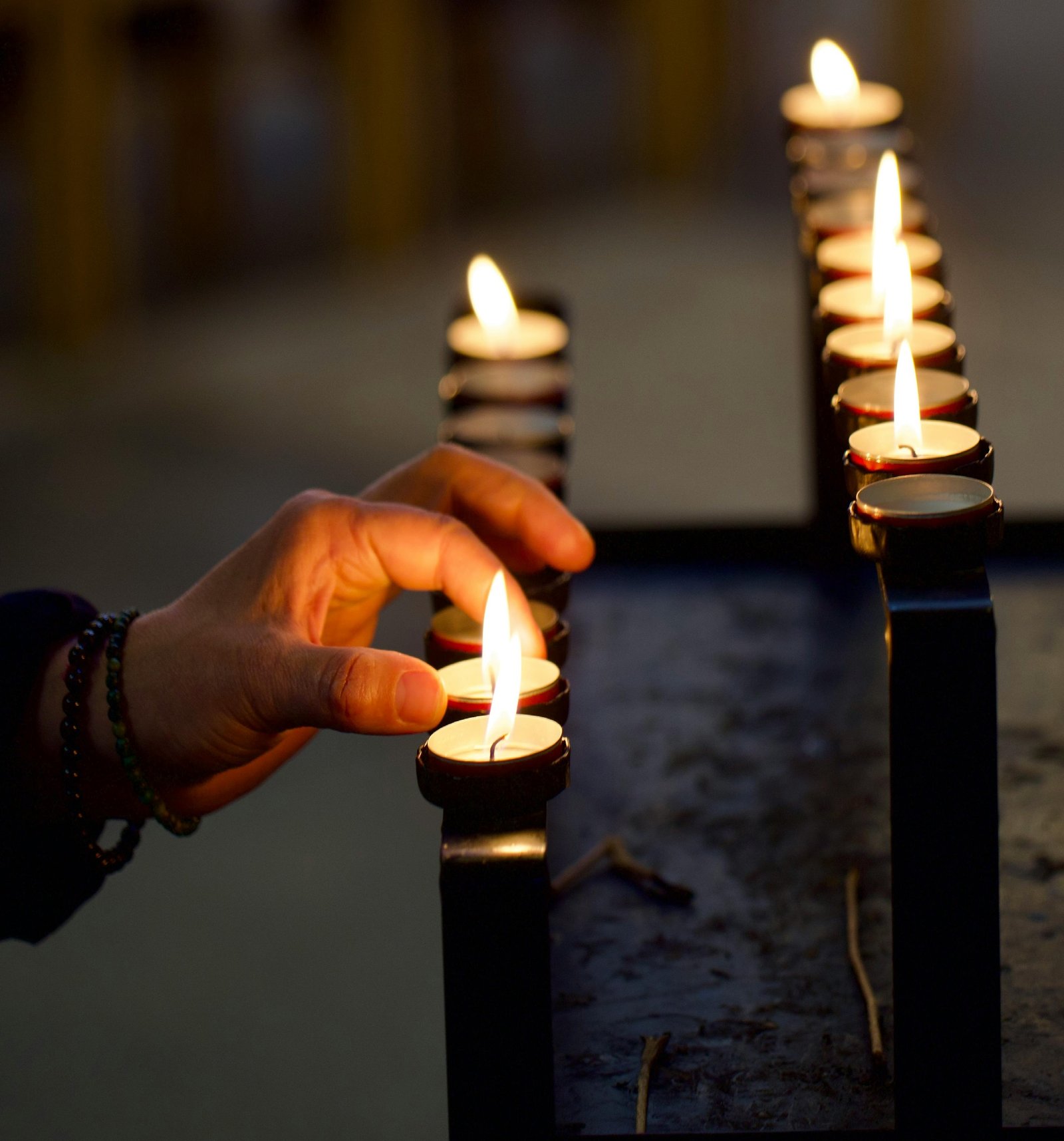
Belgium is known for its diverse population and rich cultural tapestry, with various communities contributing to the country's vibrant social fabric. Among these communities is the Urdu community in Brussels, the capital city of Belgium. This community, although small in numbers, plays a significant role in upholding and promoting the Urdu language and culture in the heart of Europe. The Urdu community in Brussels is made up of immigrants from Pakistan, India, and other South Asian countries, as well as their Belgian-born descendants. Despite being far away from their homeland, members of the Urdu community have worked tirelessly to preserve their cultural heritage and pass it on to the younger generation. Through language schools, cultural events, and community gatherings, they have maintained a strong sense of identity and belonging. One of the pioneers of the Urdu community in Brussels was Mr. Ahmed, who arrived in the city in the 1970s. He saw the need for a place where Urdu-speaking immigrants could come together, socialize, and celebrate their shared culture. With his vision and dedication, he established the first Urdu cultural center in Brussels, which became a hub for the community. The center hosted language classes, poetry recitals, music performances, and other cultural activities that brought people together and showcased the beauty of Urdu language and literature. Over the years, the Urdu community in Brussels has grown and evolved, with new generations adding their own unique perspectives and contributions. Young students participate in language immersion programs, poetry competitions, and storytelling sessions to stay connected to their roots. The community has also forged strong ties with other cultural groups in Brussels, fostering mutual understanding and respect. As we celebrate the pioneers of the Urdu community in Brussels, it is essential to pay tribute to their unwavering commitment to preserving their heritage and enriching the cultural tapestry of Belgium. Their efforts have not only kept the Urdu language alive but have also promoted cross-cultural exchange and dialogue in a diverse society. In conclusion, the Urdu community in Brussels, Belgium, serves as a shining example of how immigrants can enrich their host country's cultural landscape while staying true to their roots. Through their initiatives and endeavors, they have carved out a space for themselves in the vibrant mosaic of Brussels, leaving a lasting impact for generations to come.
Leave a Comment:
SEARCH
Recent News
- Wool stoles are not just cozy accessories to keep us warm; they also carry significant symbolism in many cultures around the world. These versatile garments have been used for various purposes throughout history, symbolizing different meanings based on their designs, patterns, and colors.
- Winter is a season that often brings to mind chilly weather, snow-covered landscapes, and cozy layers of clothing. Among the many accessories that people rely on during the winter months are stoles, which can add both warmth and style to an outfit. But beyond their practical use, stoles can also hold symbolic significance, carrying meanings that vary across different cultures and contexts.
- Symbols play a vital role in raising awareness about wildlife conservation and the need to protect our planet's biodiversity. From the majestic lion to the graceful sea turtle, animals have long served as symbols of the beauty and importance of the natural world. By recognizing and understanding these symbols, we can better appreciate the value of wildlife conservation efforts and the urgency of protecting endangered species.
- Symbols Trends: Exploring the Power of Visual Communication
- Symbols in Top Children's Books
- Symbols in Theater: Enhancing the Performance
- Australia's vibrant city of Sydney is not only known for its iconic landmarks and beautiful beaches but also for its diverse shopping destinations. From upscale boutiques to bustling markets, Sydney offers a wide range of shopping experiences for locals and tourists alike.
- Sudanese music is a vibrant and expressive art form that is deeply rooted in the country's rich cultural heritage. One fascinating aspect of Sudanese music is the use of symbols that convey deeper meanings and help to enhance the overall musical experience. These symbols play a significant role in both traditional and modern Sudanese music, adding layers of complexity and beauty to the compositions.
READ MORE
11 months ago Category :

Wool stoles are not just cozy accessories to keep us warm; they also carry significant symbolism in many cultures around the world. These versatile garments have been used for various purposes throughout history, symbolizing different meanings based on their designs, patterns, and colors.
Read More →11 months ago Category :

Winter is a season that often brings to mind chilly weather, snow-covered landscapes, and cozy layers of clothing. Among the many accessories that people rely on during the winter months are stoles, which can add both warmth and style to an outfit. But beyond their practical use, stoles can also hold symbolic significance, carrying meanings that vary across different cultures and contexts.
Read More →11 months ago Category :

Symbols play a vital role in raising awareness about wildlife conservation and the need to protect our planet's biodiversity. From the majestic lion to the graceful sea turtle, animals have long served as symbols of the beauty and importance of the natural world. By recognizing and understanding these symbols, we can better appreciate the value of wildlife conservation efforts and the urgency of protecting endangered species.
Read More →11 months ago Category :
